tea mag · Issue 01 · 02 Ritual
Five Objects of the Tea Ceremony
The Japanese tea ceremony is often described as an art of mindfulness.
01
Chawan — Tea Bowl
The chawan is the heart of the tea ceremony. More than a vessel, it is an object to be held, admired, and experienced. Tea bowls vary greatly in shape, texture, and glaze, reflecting the seasons and the personality of the maker. Many practitioners spend years developing an appreciation for the subtle character of different bowls.02
Chasen — Bamboo Whisk
Hand-carved from a single piece of bamboo, the chasen transforms powdered matcha and water into a smooth, vibrant tea. Its delicate tines create the fine foam that many associate with a well-prepared bowl of matcha. Though simple in appearance, the whisk represents centuries of refinement and craftsmanship.03
Chashaku — Tea Scoop
Elegant and understated, the chashaku is used to measure matcha into the bowl. Traditionally carved from bamboo, it demonstrates a central principle of Japanese aesthetics: that even the smallest object deserves thoughtful design.04
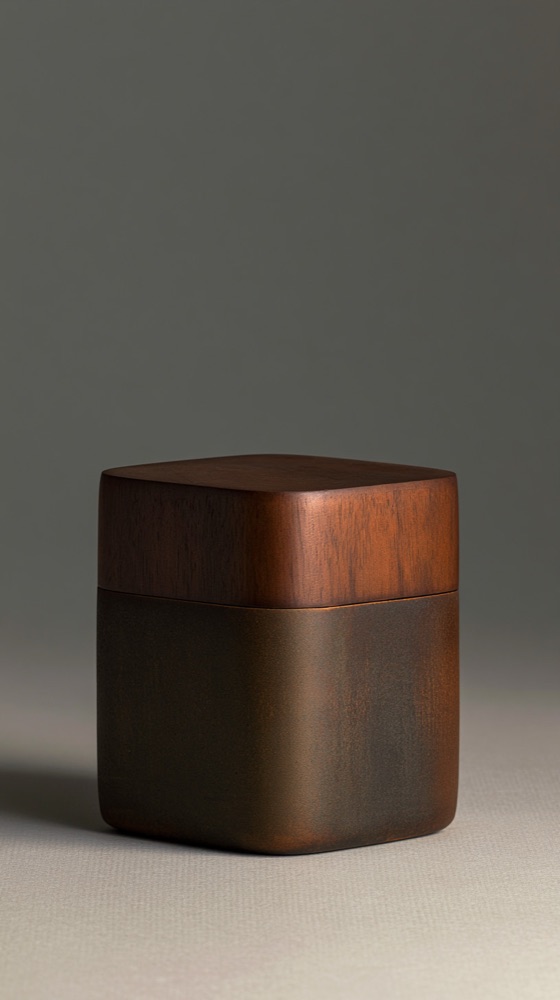
Natsume — Tea Caddy
The natsume stores matcha before preparation. Often lacquered and beautifully finished, it introduces a subtle decorative element into an otherwise restrained environment. The tea caddy reflects the balance between utility and beauty that defines the tea ceremony.05
Kensui — Waste Water Bowl
Less well known but equally important, the kensui is used for disposing of water during the preparation process. Its presence reminds us that tea ceremony is not only about what is visible. Care, cleanliness, and respect for the process are essential parts of the ritual.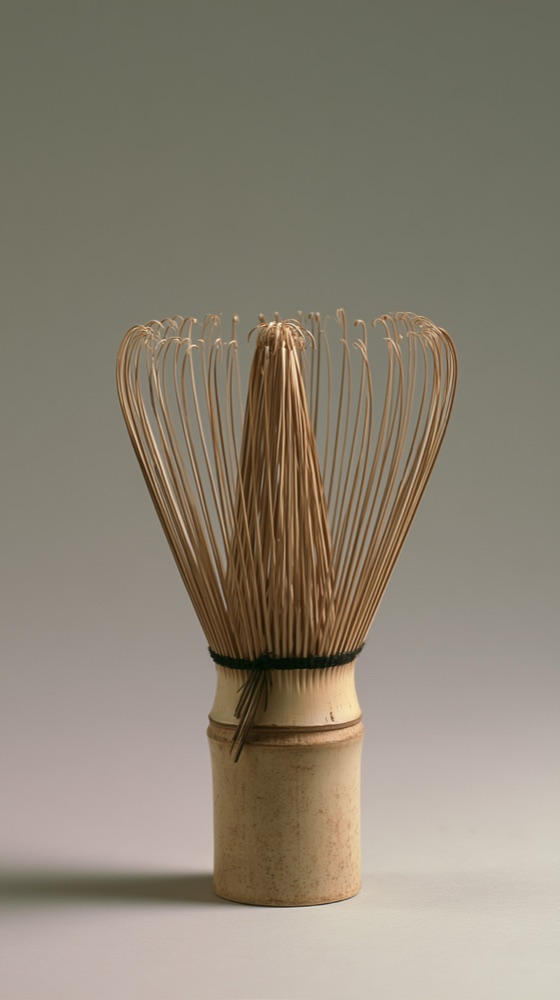
The bowl is where tea, craftsmanship, and human touch meet.