tea mag · Issue 01 · 01 Matcha
Matcha: From Ritual to Modern Culture
Few beverages have travelled through history quite like matcha.
From China to Japan
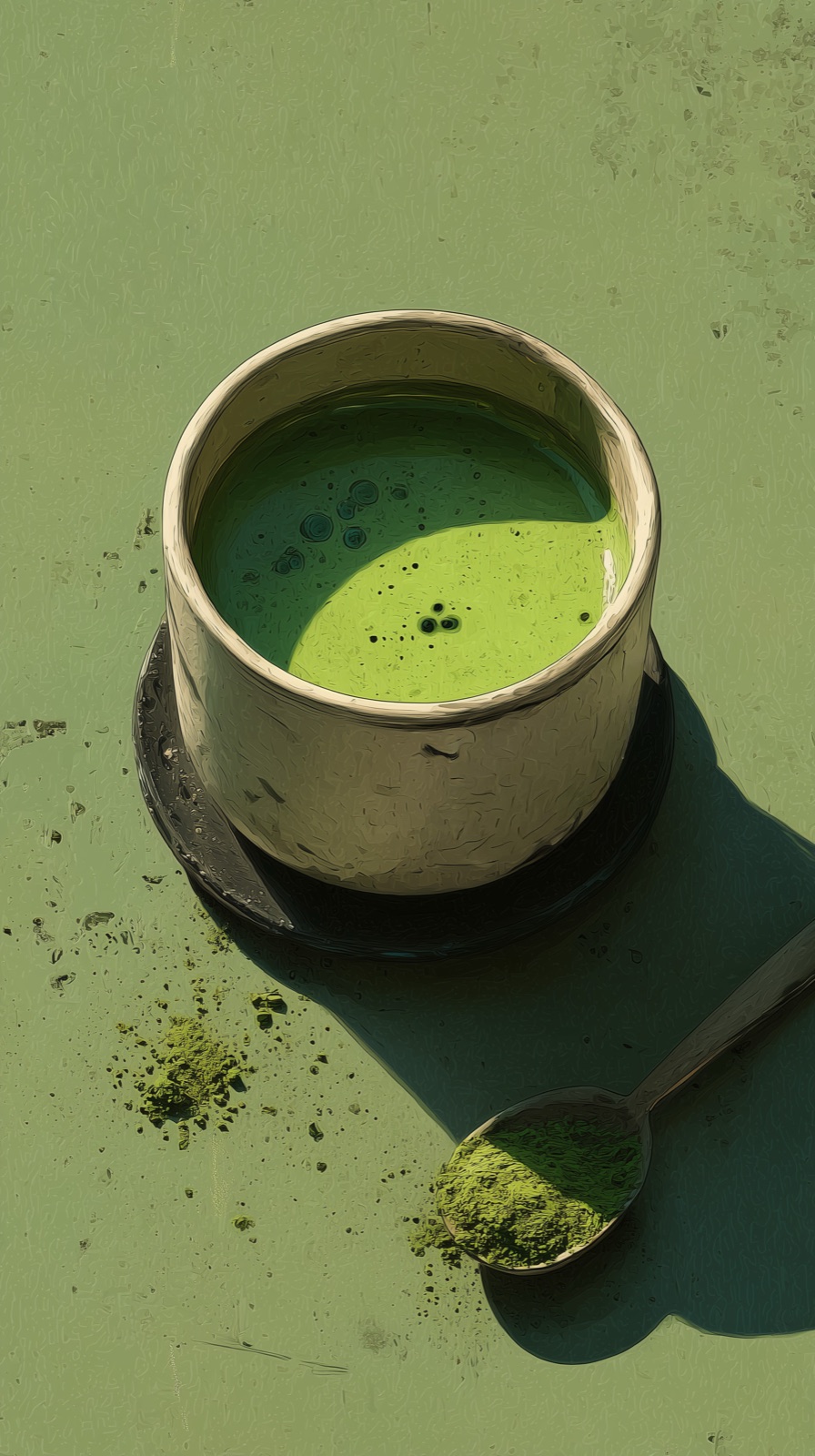
The origins of matcha can be traced back to China, where powdered tea was consumed during the Song Dynasty. It was later introduced to Japan by Buddhist monks who recognized its ability to support long periods of meditation and concentration. Over time, Japan transformed this simple preparation method into a sophisticated cultural practice that would become known as chanoyu, or the Japanese tea ceremony. Within the tea ceremony, matcha is much more than a drink. Every movement, from warming the bowl to whisking the tea, is performed with intention. The ritual encourages participants to slow down, focus on the present moment, and appreciate the beauty of simplicity. These values became deeply connected to Japanese aesthetics, influencing everything from architecture and ceramics to philosophy and daily life.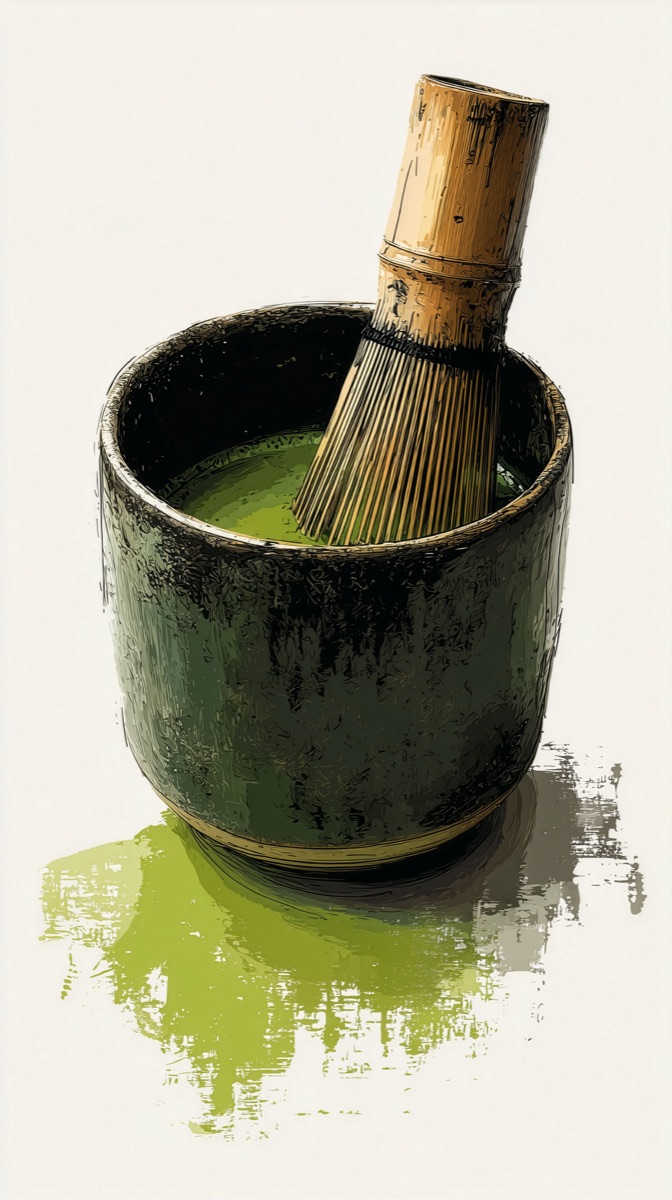
An unexpected second life
For centuries, matcha remained closely tied to traditional culture. Then, in the early twenty-first century, something unexpected happened. As wellness culture expanded globally and consumers became increasingly interested in authenticity, craftsmanship, and mindful living, matcha found a new audience. Its appeal extended beyond its distinctive flavour and vibrant colour. Matcha represented something many people felt they were missing: ritual. In a world dominated by notifications, endless scrolling, and constant productivity, preparing a bowl of matcha offered a rare opportunity to pause. Social media accelerated this transformation. Matcha lattes, iced drinks, and creative culinary applications introduced the tea to millions who may never have encountered a traditional tea ceremony. While some purists questioned these modern interpretations, others viewed them as a natural evolution—evidence that cultural traditions can remain alive by adapting to new contexts.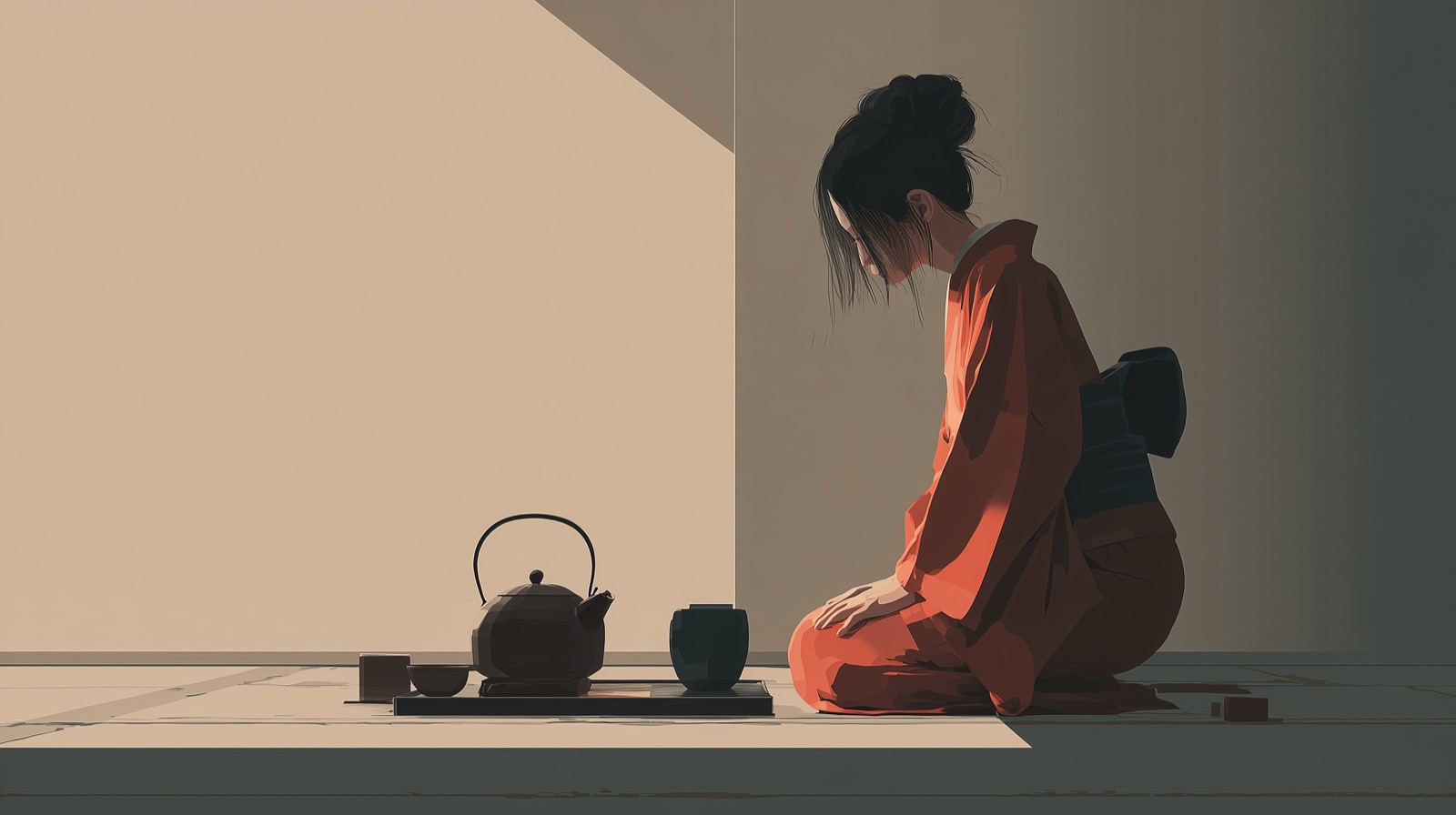
Two worlds at once
Today, matcha exists in two worlds simultaneously. It remains an important symbol of Japanese heritage while also serving as a contemporary ingredient embraced by chefs, baristas, designers, and wellness enthusiasts around the globe. The challenge is not choosing between tradition and innovation, but understanding the relationship between them. Looking ahead, the future of matcha may become more focused on origin, craftsmanship, and transparency. As consumers become increasingly knowledgeable, interest is shifting toward specific regions, cultivars, harvesting methods, and artisanal production techniques. In many ways, matcha is following a path similar to wine and specialty coffee, where provenance and producer stories matter as much as the final product.Traditions do not survive by remaining unchanged. They survive because each generation finds new meaning within them.Perhaps that is why matcha continues to resonate today. Beneath the trends, the photographs, and the bright green colour lies something timeless: a simple invitation to slow down, pay attention, and enjoy a moment fully.