tea mag · Issue 01 · 06 Guide
Tea Guide, Part 1
Nine teas from Japan and China: where each comes from, what defines it, and how to brew it well.
01
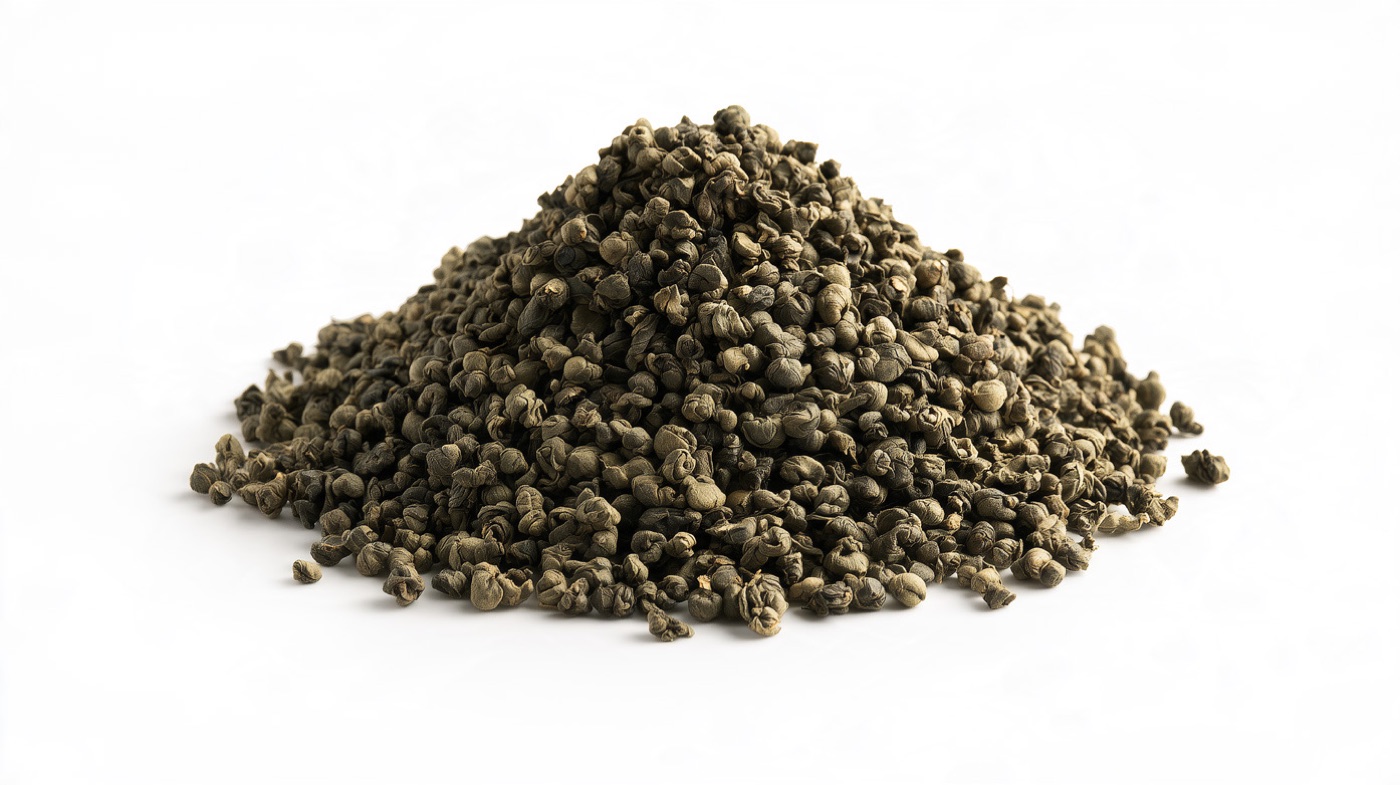
Gyokuro — Japan
- Origin
- Uji, Yame and Okabe
- Type
- Shade-grown green tea
- Character
- Shaded for roughly three weeks before harvest, encouraging an intense umami flavour and natural sweetness.
- Flavour
- Seaweed, fresh grass, sweet peas and soft mineral notes
- Brewing
- 5 g of tea, water at 50–60 °C, steep 90–120 seconds
- Best enjoyed
- During quiet mornings and special tasting moments
02
Matcha — Japan
- Origin
- Uji, Nishio and Yame
- Type
- Stone-ground, shade-grown green tea
- Character
- Whole shading tencha leaves into an exceptionally fine powder. Unlike infused tea, the entire leaf is whisked into water and consumed.
- Flavour
- Intense umami, fresh greens, delicate sweetness and a creamy finish
- Preparation
- 2 g of matcha, 70–80 ml of water at 70–80 °C
- Best enjoyed
- As a morning ritual, for moments of focus or during a tea ceremony
03
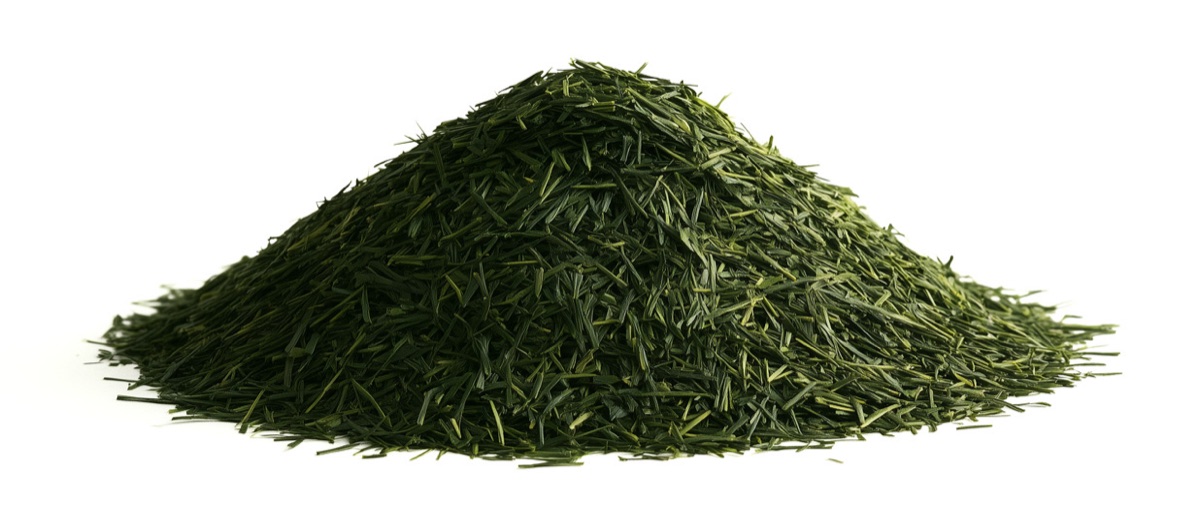
Sencha — Japan
- Origin
- Shizuoka, Kagoshima, Uji and other tea-growing regions
- Type
- Steamed green tea
- Character
- Japan’s most widely consumed traditional loose-leaf tea, known for its fresh, vibrant and balanced character.
- Flavour
- Fresh grass, citrus, young leaves and a subtle oceanic note
- Brewing
- 5 g of tea, water at 70–80 °C, steep 60 seconds
- Best enjoyed
- As an everyday tea or alongside food
04
Kabusecha — Japan
- Origin
- Mie, Kagoshima and Kyoto
- Type
- Partially shade-grown green tea
- Character
- Positioned between Sencha and Gyokuro; shaded for approximately one to two weeks before harvest.
- Flavour
- Sweet grass, fresh vegetables, seaweed and balanced umami
- Brewing
- 5 g of tea, water at 65–75 °C, steep 60–90 seconds
- Best enjoyed
- When seeking a green tea that is both soft and expressive
05
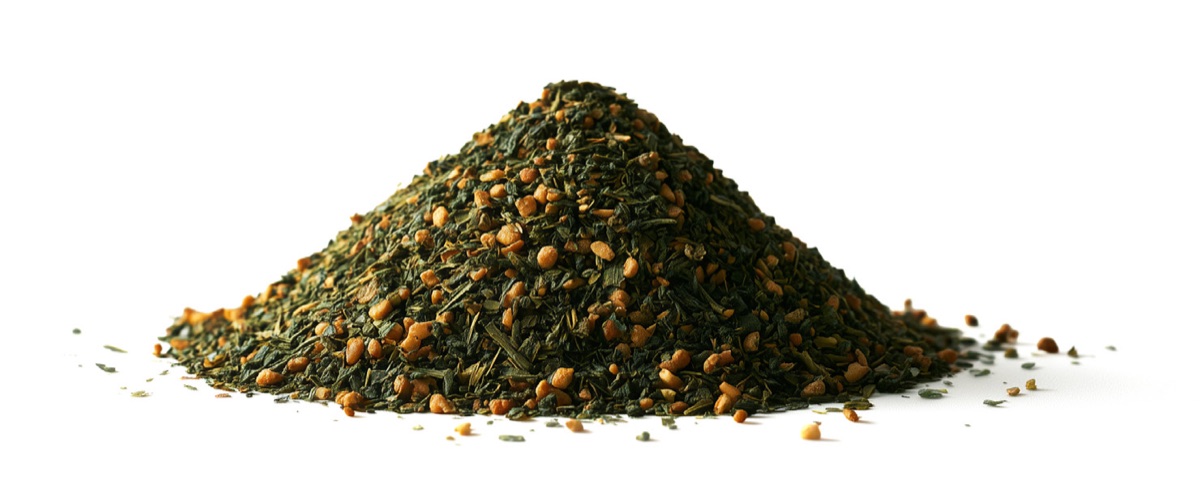
Genmaicha — Japan
- Type
- Green tea blended with roasted rice
- Character
- Traditionally made by combining Sencha or Bancha leaves with roasted brown rice.
- Flavour
- Toasted grains, nuts, fresh grass and delicate caramel
- Brewing
- 4–5 g of tea, water at 80 °C, steep 60–90 seconds
- Best enjoyed
- In the afternoon or alongside meals
06
Hojicha — Japan
- Origin
- Kyoto
- Type
- Roasted green tea
- Character
- Produced by roasting green tea leaves at high temperatures, resulting in a light brown infusion.
- Flavour
- Caramel, roasted nuts, wood and subtle cocoa notes
- Brewing
- 4–5 g of tea, water at 90 °C, steep 30–60 seconds
- Best enjoyed
- In the evening or after a meal
07
Shincha — Japan
- Origin
- Shizuoka, Kagoshima and Uji
- Type
- First-harvest green tea
- Character
- Made from the first tender leaves of spring, produced in limited quantities. Usually consumed quickly to preserve its freshness.
- Flavour
- Spring flowers, fresh grass, citrus and sweet vegetables
- Brewing
- 4–5 g of tea, water at 70–75 °C, steep 60 seconds
- Best enjoyed
- During spring tastings and seasonal tea rituals
08
Longjing — China
- Origin
- Hangzhou, Zhejiang
- Also known as
- Dragon Well
- Type
- Pan-fired green tea
- Character
- Recognised by its flat, glossy leaves and elegant sweetness. Longjing is one of China’s most celebrated premium teas.
- Flavour
- Chestnut, orchid, fresh beans and lightly roasted nuts
- Brewing
- 4 g of tea, water at 75–80 °C, steep 60–90 seconds
- Best enjoyed
- Early in the day or during a quiet tasting session
09
Bi Luo Chun — China
- Origin
- Jiangsu, around Lake Taihu
- Also known as
- Green Snail Spring
- Type
- Delicately curled green tea
- Character
- Made from young buds and tender leaves, highly aromatic and distinguished by its fine spiral shape.
- Flavour
- White flowers, peach, fresh herbs and delicate honey
- Brewing
- 3–4 g of tea, water at 70–80 °C, steep 60 seconds
- Best enjoyed
- When light, elegant and fragrant teas are preferred