tea mag · Issue 01 · 03 Places
Tea Houses of the World
Across cultures and centuries, tea houses have served as places of gathering, reflection, and hospitality.
Kyoto
Few cities are as closely associated with tea as Kyoto. The nearby town of Uji, often considered the spiritual home of Japanese tea, has supplied some of Japan’s most celebrated matcha and gyokuro for centuries. Among Kyoto’s most iconic tea destinations is Ippodo Tea Kyoto, a historic tea merchant that has been serving tea since 1717. Its quiet tea room offers visitors an opportunity to experience Japanese tea culture in a simple and authentic setting. Another notable destination is Ju-An Tea House within the gardens of Murin-an. Surrounded by seasonal landscapes, it embodies the relationship between tea, architecture, and nature that defines Kyoto’s tea culture. In Kyoto, tea is not simply consumed—it is observed, appreciated, and contemplated.Taipei
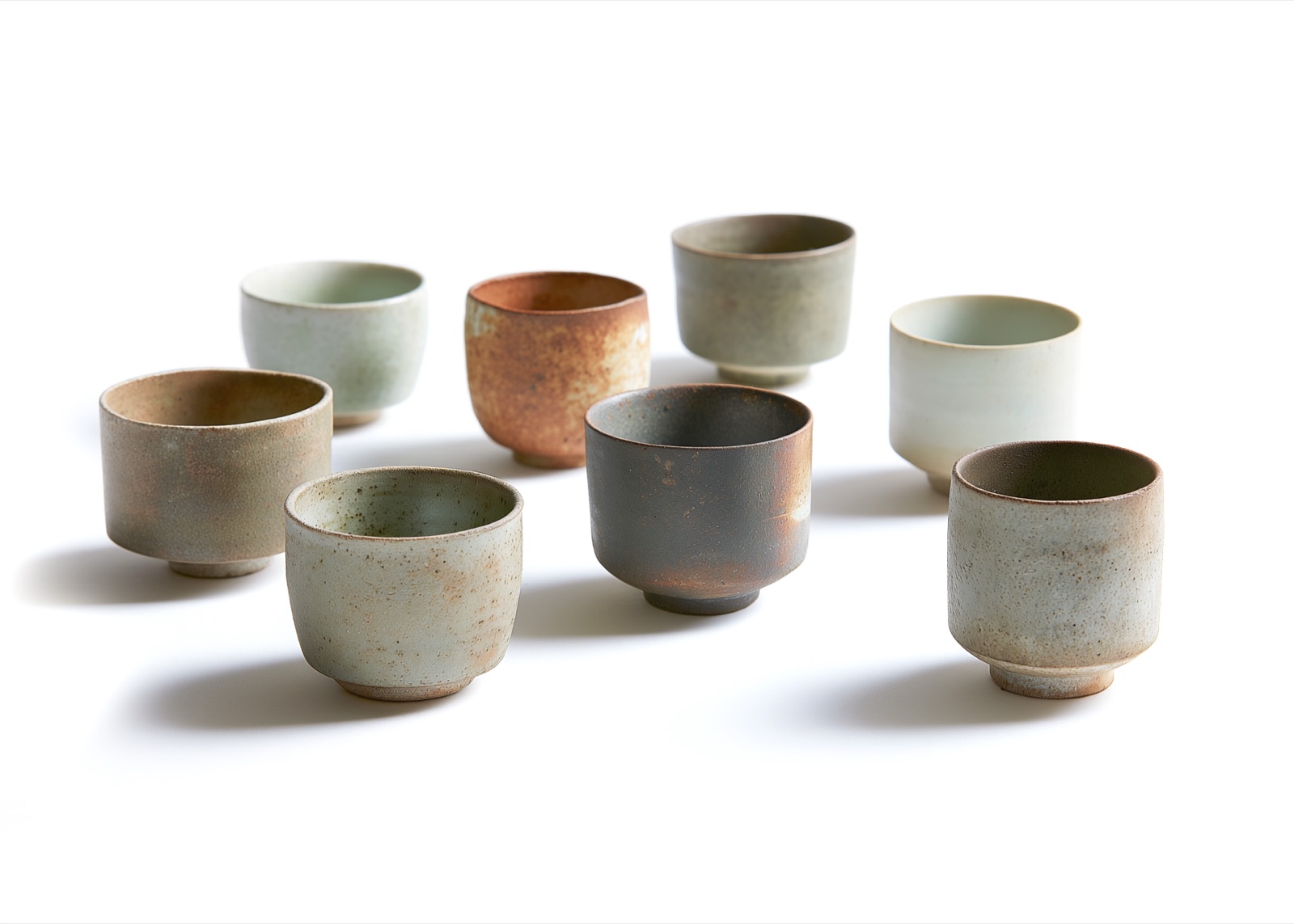
Every city has its own language of tea. The cup may change, but the desire to connect remains the same.
Istanbul
Tea arrived in Istanbul much later than in Kyoto or Taipei, yet it became deeply woven into the city’s social fabric. In Türkiye, tea is less about ceremony and more about hospitality. It accompanies business meetings, family visits, long conversations, and everyday moments alike. A glass of tea often serves as a gesture of welcome. Refilling a guest’s glass is an expression of generosity. Across the city, tea creates a shared rhythm that brings people together regardless of background or generation. In recent years, a new wave of tea spaces has begun exploring tea beyond its traditional role. Located in the creative neighborhood of Firuzağa, Chado Teashop introduces guests to teas from Japan, Taiwan, China, India, and beyond while maintaining the warmth and sociability that define Turkish tea culture. Here, a bowl of ceremonial matcha may be served alongside conversations that last for hours. Traditional Japanese tea ware coexists with Istanbul’s café culture. The result is not a recreation of Kyoto or Taipei, but something uniquely Istanbul: a meeting point between global tea traditions and local hospitality.Places to visit
KyotoIppodo Tea Kyoto
Ju-An Tea House (Murin-an)
TaipeiWistaria Tea House
Smith & Hsu
IstanbulChado Teashop, Firuzağa